

The Ache in Your Joints: A Comprehensive Guide to Managing Osteoarthritis (OA)
Osteoarthritis (OA) is the most common form of arthritis, affecting millions of people worldwide. Often referred to as "wear-and-tear" arthritis, it's a chronic condition characterized by the breakdown of cartilage—the slippery tissue that cushions the ends of bones within a joint. This breakdown leads to pain, stiffness, and loss of movement, significantly impacting quality of life. Understanding OA and its management is key to maintaining mobility and reducing discomfort.
The Ache in Your Joints: A Comprehensive Guide to Managing Osteoarthritis (OA)
What is Osteoarthritis?
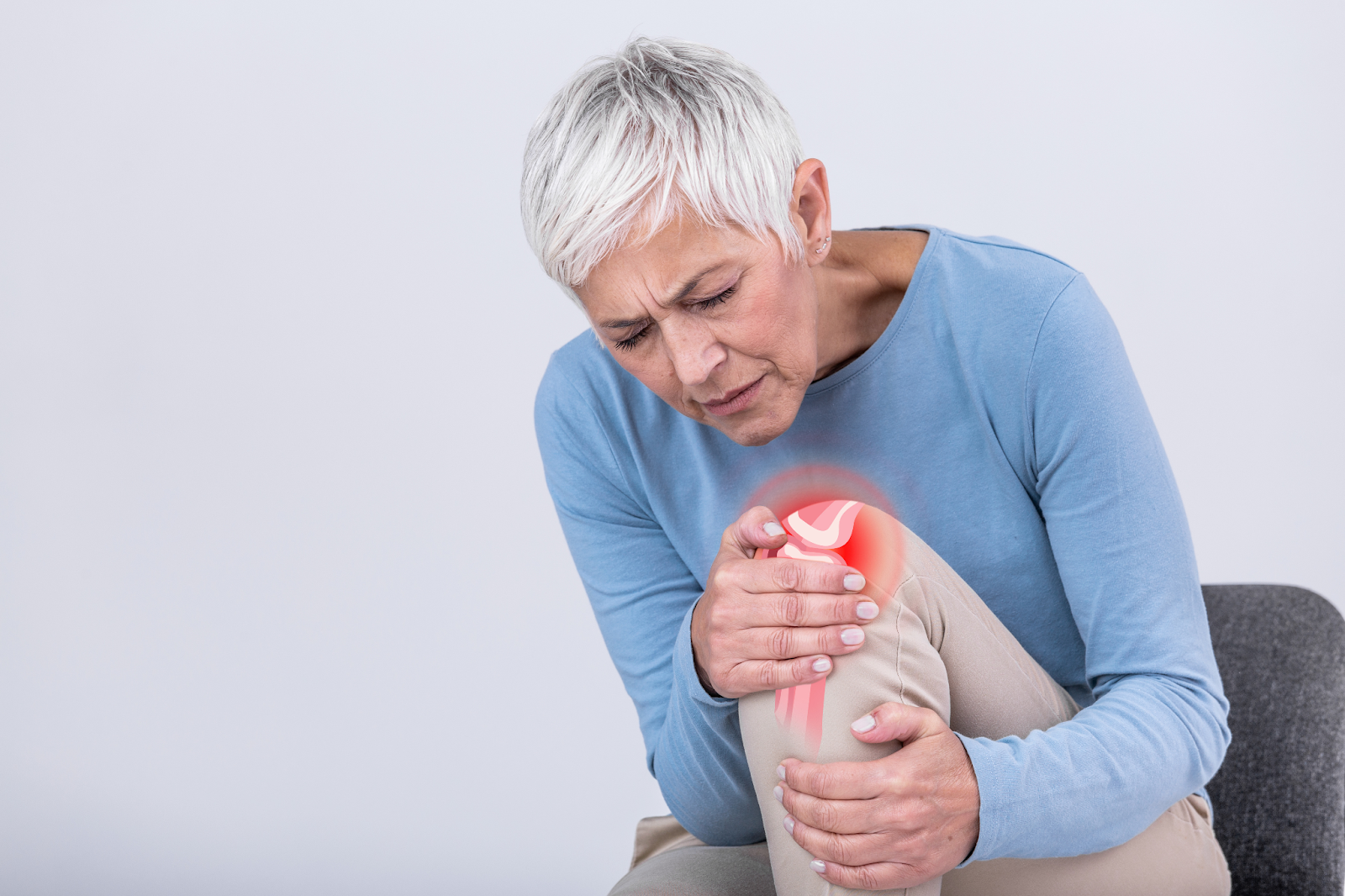
Healthy cartilage allows bones to glide over each other smoothly. In OA, this cartilage gradually deteriorates, causing bones to rub directly against each other. This friction leads to pain, inflammation, and further damage to the joint. While OA can affect any joint, it most commonly impacts:
-
Knees
-
Hips
-
Hands (fingers and thumbs)
-
Spine
Causes and Risk Factors:
OA is a complex condition with multiple contributing factors, including:
-
Age: The risk of OA increases with age.
-
Obesity: Excess weight puts increased stress on weight-bearing joints like the knees and hips.
-
Joint Injury: Previous injuries (e.g., sports injuries, accidents) can increase the risk.
-
Repetitive Stress: Jobs or activities that involve repetitive stress on a particular joint.
-
Genetics: A family history of OA can increase your susceptibility.
-
Gender: Women are more likely to develop OA, especially after age 50.
Recognizing the Symptoms:
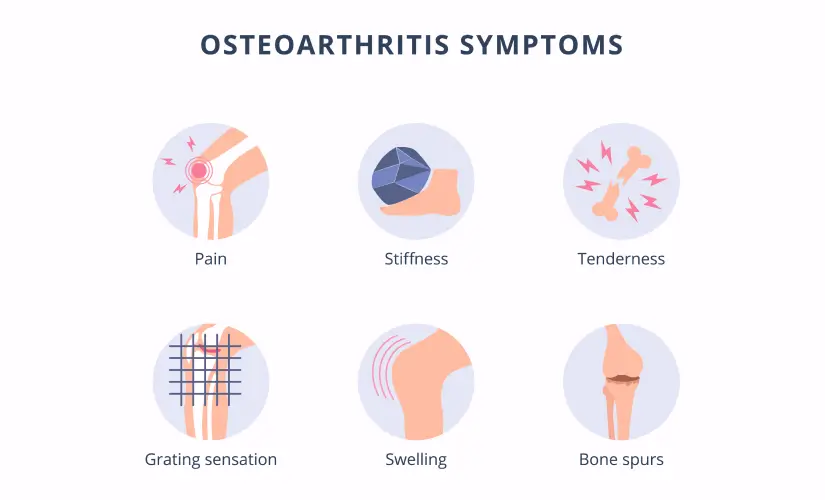
The symptoms of OA tend to develop gradually over time. Common signs include:
-
Pain: Often worse during or after movement, or after a period of inactivity.
-
Stiffness: Most noticeable upon waking or after periods of rest.
-
Tenderness: The joint may feel tender when light pressure is applied.
-
Loss of Flexibility: Inability to move the joint through its full range of motion.
-
Grating Sensation: A feeling of bones rubbing against each other, sometimes accompanied by popping or crackling sounds.
-
Swelling: May be caused by inflammation of the soft tissues around the joint.
Managing Osteoarthritis: A Multifaceted Approach
While there is no cure for OA, a variety of treatments can help manage pain, improve joint function, and slow the progression of the disease. The approach is often tailored to the individual and may include:
-
Lifestyle Modifications:
-
Weight Management: Losing even a small amount of weight can significantly reduce stress on weight-bearing joints.
-
Exercise: Low-impact activities like swimming, cycling, and walking can strengthen muscles around the joint, improve flexibility, and reduce pain.
-
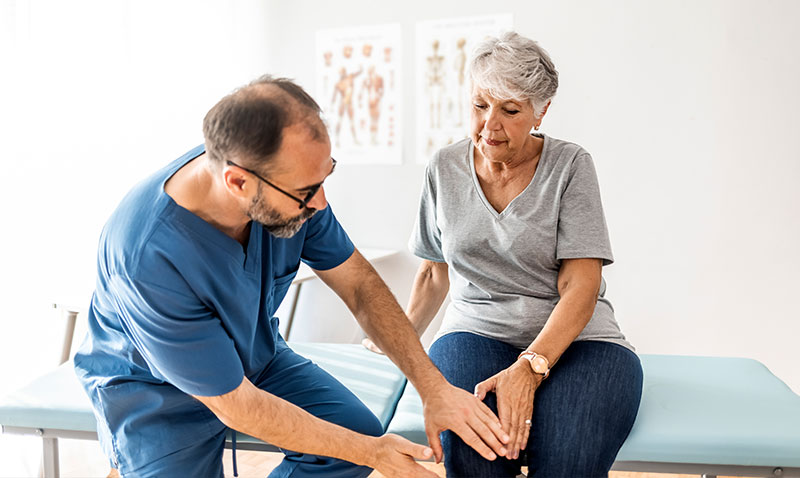
Physical Therapy: Therapists can teach exercises to improve strength, flexibility, and range of motion.
-
Medications:
-
Pain Relievers: Over-the-counter options like acetaminophen and NSAIDs (ibuprofen, naproxen).
-
Topical Agents: Creams or gels applied to the skin over the affected joint.
-
Injections:
-
Corticosteroid Injections: Can provide temporary pain relief by reducing inflammation.
-
Hyaluronic Acid Injections (Viscosupplementation): These injections aim to replenish the natural lubricating fluid (synovial fluid) in the joint, which contains hyaluronic acid, helping to cushion and lubricate the joint.
Felex: Advanced Viscosupplementation for Knee Osteoarthritis
For individuals with pain in osteoarthritis (OA) of the knee who have not responded adequately to conservative nonpharmacologic therapy and simple analgesics, advanced treatment options become crucial. Felex is an innovative solution in the realm of viscosupplementation, designed to provide effective relief and protection for osteoarthritic knee joints.
Felex is a solution for injection, with its composition being Sodium hyaluronate 25mg/2.5ml. What sets Felex apart is its advanced formulation, incorporating cutting-edge technology for superior performance:
-
Upgrade: Very High Molecular Weight (MW) Hyaluronic Acid (HA) (≤2M Da): The effectiveness of hyaluronic acid in viscosupplementation is often linked to its molecular weight. Felex utilizes very high molecular weight HA, which closely mimics the healthy synovial fluid, providing superior lubrication and shock absorption within the joint. This helps to restore the natural biomechanical properties of the knee.
-
+ SORBITOL (Protects HA, Reduces Inflammation): The inclusion of Sorbitol is a significant innovation. Sorbitol acts as a stabilizer for the hyaluronic acid, protecting it from degradation and prolonging its therapeutic effect in the joint. Furthermore, Sorbitol has properties that help to reduce inflammation, addressing one of the core issues in OA pain.
-
Clinical Impact: Latest Generation, High Stability, Antioxidant Protection, SINGLE-INJECTION Convenience:
-
Being a "Latest Generation" product, Felex embodies advancements in formulation science.
-
The "High Stability" ensures that the therapeutic benefits last longer.
-
"Antioxidant Protection" helps to combat oxidative stress within the joint, a factor contributing to cartilage degradation.
-
The "SINGLE-INJECTION Convenience" is a major advantage for patients and clinicians, offering comparable efficacy to multi-injection regimens with significantly less inconvenience and fewer clinic visits.
Felex is indicated for the treatment of pain in knee OA, offering a sophisticated and convenient option for those seeking sustained relief and improved joint function.
Important Disclaimer: This information is for educational purposes only and does not constitute medical advice. Always consult with a qualified healthcare professional to determine if Felex, or any other treatment, is appropriate for your specific condition.

Living Actively with OA:
Managing osteoarthritis is an ongoing process that requires patience and consistency. By combining lifestyle modifications with advanced treatments like Felex when appropriate, individuals can significantly reduce pain, improve mobility, and continue to lead active and fulfilling lives. Early intervention and a proactive approach are key to preserving joint health.


