

Understanding Uveitis: Causes, Symptoms, and Treatment
Uveitis is a serious eye condition characterized by inflammation of the uvea, the middle layer of the eye that includes the iris, ciliary body, and choroid. While it can affect individuals of all ages, early diagnosis and prompt treatment are crucial to preventing severe complications, including permanent vision loss.
Understanding Uveitis: Causes, Symptoms, and Treatment
Uveitis is a serious eye condition characterized by inflammation of the uvea, the middle layer of the eye that includes the iris, ciliary body, and choroid. While it can affect individuals of all ages, early diagnosis and prompt treatment are crucial to preventing severe complications, including permanent vision loss.
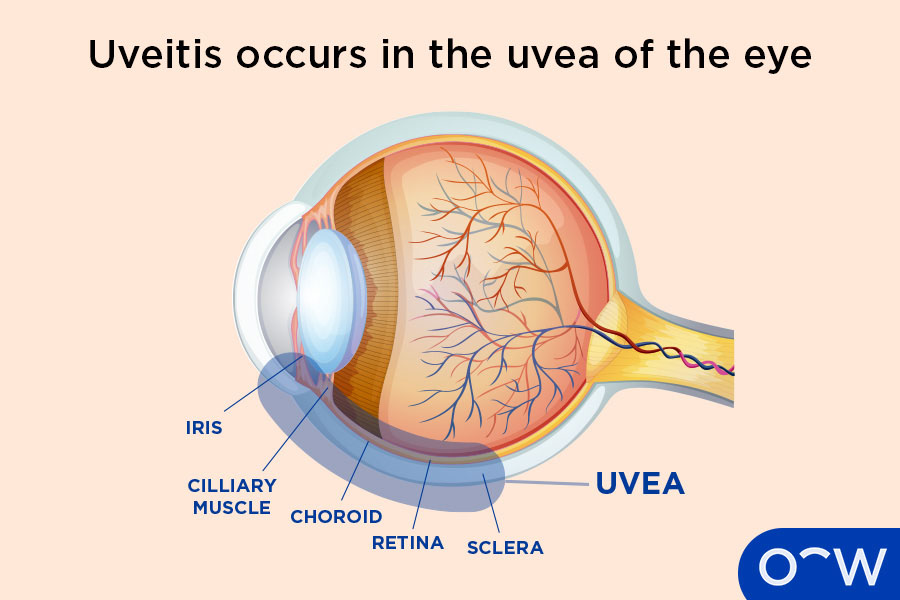
What is Uveitis?
Uveitis refers to inflammation occurring in one or more parts of the uvea. Depending on the location of the inflammation, uveitis is categorized into different types:
-
Anterior Uveitis (Iritis): The most common form, affecting the front part of the eye.
-
Intermediate Uveitis: Involves the vitreous (the gel-like substance in the center of the eye) and the retina’s blood vessels.
-
Posterior Uveitis: Affects the retina or choroid at the back of the eye.
-
Panuveitis: Inflammation occurring throughout the entire uvea, from the front to the back of the eye.
Recognizing the Symptoms
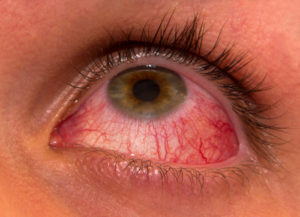
Uveitis symptoms often appear suddenly and worsen rapidly. Key warning signs include:
-
Eye redness and irritation
-
Eye pain
-
Sensitivity to light (photophobia)
-
Blurred vision
-
Dark, floating spots (floaters)
-
Decreased vision
In some cases, symptoms develop gradually or may not be noticeable until an eye examination reveals inflammation. Regardless of the presentation, untreated uveitis can lead to complications such as glaucoma, cataracts, retinal detachment, and permanent vision impairment.
What Causes Uveitis?
In approximately half of all cases, the exact cause of uveitis remains unknown. However, when a cause is identified, it may be linked to:
-
Autoimmune and Inflammatory Diseases: Conditions like sarcoidosis, lupus, Crohn’s disease, and ankylosing spondylitis.
-
Infections: Viral (herpes simplex, varicella-zoster), bacterial (syphilis, tuberculosis), fungal (candida, aspergillosis), and parasitic (toxoplasmosis, toxocariasis) infections.
-
Eye Injuries or Surgery: Trauma to the eye can trigger inflammation.
-
Medication Side Effects: Certain drugs, such as bisphosphonates, cidofovir, and rifabutin, have been linked to uveitis.
-
Genetic Factors: Variations in specific genes, such as HLA-B27, can increase susceptibility.
What are the Different Types of Uveitis?
The different types of uveitis are anterior uveitis, posterior uveitis, intermediate uveitis and panuveitis, which are distinct from each other based on where the inflammation occurs. The list of the different types of uveitis and their definitions are listed below.
1. Anterior Uveitis
Anterior uveitis is the most common type of uveitis that affects the iris at the front of the eye. Anterior uveitis can be caused by viral infections and injuries and is typically categorised as mild uveitis according to the National Eye Institute. This form of uveitis may present symptoms such as redness, pain, inflammation, blurred vision and light sensitivity.
2. Posterior Uveitis
Posterior uveitis causes inflammation of the retinal vessels located at the back of the eye and is often associated with permanent vision loss. Posterior uveitis is considered to be a rare form of uveitis that can lead to declined visual acuity, floaters, sensitivity to light, loss of vision or blurred vision. It can also cause poor night vision and difficulty seeing colour according to the National Organisation for Rare Disorders. According to the Kellog Eye Centre, systemic conditions are likely the most common cause of developing posterior uveitis. Systemic conditions are conditions that affect the whole body rather than just one organ according to MedlinePlus.
3. Intermediate Uveitis
Intermediate uveitis which is also referred to as cyclitis or vitritis is the occurrence of inflammation in the vitreous and ciliary body. Intermediate uveitis, according to the Orphanet Journal of Rare Disorders, was mainly found in patients with no direct cause. Other patients with intermediate uveitis were diagnosed with multiple sclerosis, sarcoidosis, infectious diseases and an abnormal immune system-related condition. Symptoms can be minimal and include floaters and blurry vision according to the National Library of Medicine.
4. Panuveitis Uveitis
Panuveitis uveitis is when the entire uveal tract as well as the vitreous and the retina are inflamed. Panuveitis occurs in the eye’s middle layer and can lead to loss of vision or reduced vision and can also include symptoms such as pain, redness, blurred vision, sensitivity to light and floaters. According to the National Centre for Advancing Translational Sciences, on many occasions, the cause for panuveitis is often unable to be determined. However, in some circumstances, panuveitis has occurred in relation to other eye conditions or infections that implicate other parts of the body.
Diagnosis and Testing
A diagnosis of uveitis is made through a comprehensive eye examination, which may include:
-
Visual acuity tests to assess vision clarity.
-
Slit lamp examination to inspect inflammation in the front of the eye.
-
Tonometry to measure intraocular pressure.
-
Optical coherence tomography (OCT) to visualize detailed structures of the eye.
-
Blood tests and imaging scans (such as chest X-rays or MRIs) to determine underlying systemic causes.
Treatment Options
While there is no universal cure for uveitis, treatment focuses on reducing inflammation, relieving pain, and addressing any underlying conditions. Common approaches include:
-
Corticosteroids: Often administered as eye drops, oral medications, or injections to control inflammation.
-
Immunosuppressive Drugs: Prescribed for severe or recurrent cases.
-
Antiviral, Antibiotic, or Antifungal Medications: If an infection is the cause.
-
Cycloplegic Drops: Help reduce eye pain by preventing muscle spasms in the iris.
-
Surgical Intervention: In cases where complications such as cataracts or glaucoma arise.

(gắn link đến các sản phẩm)
Prevention and Outlook
Unfortunately, uveitis is not entirely preventable. However, certain measures can help lower the risk:
-
Regular eye exams for early detection.
-
Wearing protective eyewear to prevent injuries.
-
Managing infections promptly.
-
Following treatment plans for systemic conditions that could contribute to uveitis.
With early diagnosis and proper medical care, most individuals with uveitis can maintain good vision and prevent long-term complications. However, untreated or severe cases may lead to permanent vision loss. If you experience symptoms of uveitis, seek immediate medical attention to protect your sight.
Final Thoughts Living with uveitis can be challenging, but working closely with your eye care specialist is key to managing the condition effectively. By staying informed and proactive about your eye health, you can improve your chances of preserving your vision and maintaining a high quality of life.


